Quick answer: Aluminum, steel, and traditional wrought iron are different materials and systems. They vary in weight, fabrication, corrosion protection, repair methods, impact behavior, appearance, and cost. Many modern “wrought-iron-style” fences are actually aluminum or steel. Identify the base metal, coating, connections, posts, gates, and product documentation before comparing proposals.
By Pearland Fence Pros Editorial Team
Reviewed: 2026-07-21
Publisher disclosure: Pearland Fence Pros is an independent publisher, not a fence contractor or fabricator. It does not install, repair, supervise, warrant, or guarantee fence work. Routing is offline, and this page collects no personal information.
First, identify the actual metal
Material names are often blurred in conversation. Traditional wrought iron is forged ironwork, while many contemporary ornamental fences use factory-made aluminum or steel panels. Steel pickets and rails may be welded into panels; aluminum systems may use mechanical connections or manufacturer-specific assembly. Custom metalwork is another category and should not be assumed from an ornamental catalog image.
Ask every estimator to state the base metal and product type in writing. “Black ornamental fence” and “iron fence” are descriptions, not specifications.
Quick metal-fence comparison
| System | Often considered for | Questions that matter |
|---|---|---|
| Aluminum ornamental | Open visibility, decorative boundaries, some pool-perimeter concepts | Alloy/product line, panel connections, posts, coating, gates, documented use |
| Steel ornamental | Greater weight, welded construction options, decorative or perimeter applications | Steel section sizes, welds, galvanizing/coating, field repairs, rust protection |
| Traditional wrought iron | Restoration or genuinely custom forged work | Fabricator capability, material verification, repair method, finish system |
| Wrought-iron-style product | Appearance similar to iron, often using aluminum or steel | What is the actual metal and how is the system assembled? |
If pool-perimeter use is under consideration, begin with the Pearland pool fence requirements guide. The Pearland fence overview then helps compare metal with wood, vinyl, and chain-link options. Repair and price planning are covered below.
Ornamental style means openness as well as appearance
Ornamental metal fencing usually preserves views through pickets. Picket spacing, rails, finials, flat tops, rings, arches, posts, and gates shape the appearance. They can also matter for climbability, snag points, small-animal openings, and the intended use.
A catalog photo does not show how a fence will meet grade changes, corners, masonry columns, retaining features, existing sections, or gates. Request a layout or elevation for transitions. Confirm whether panels will be stepped, racked within product limits, or fabricated for the slope, and review the openings that result near grade.
If visual screening is the primary goal, metal alone may not satisfy it. Use only inserts or infill documented as compatible with the exact frame.
Corrosion protection and local exposure
No metal fence is universally corrosion-proof. Exposure varies even within one property: sprinkler spray, vegetation, standing water, soil contact, pool chemicals, fertilizer, airborne contaminants, scratches, cut edges, dissimilar metals, and drainage can affect particular locations. Coastal influence and humid weather are reasons to ask better coating questions, not reasons to make a blanket performance promise.
For each proposal, identify:
- base metal and any galvanizing or conversion treatment;
- factory coating type and color;
- preparation before coating;
- treatment of welds, cut ends, drilled holes, and field damage;
- compatible fasteners, brackets, and touch-up materials;
- care instructions and inspection points;
- written exclusions for chemical, salt, soil, or damaged-coating exposure.
A “powder-coated” label does not prove preparation, film build, or project-specific durability. Any coating claim should come from current documentation for the actual product or fabricator process.
Posts, panels, welds, and fasteners
A metal fence should be evaluated as an assembly. Posts carry panels and gate loads. Brackets or welds join components. Fasteners and dissimilar-metal contacts need compatibility review. Foundations, grade, drainage, and gate geometry influence movement and alignment.
Factory panel systems should be quoted by manufacturer, product line, panel dimensions, post type, connection method, and gate system. Fabricated steel or iron work needs a drawing or component schedule that distinguishes shop welds, field welds, coating before or after assembly, and the planned treatment of installation damage. Pearland Fence Pros does not claim in-house fabrication or any production capability.
Assembly checklist
- ☐ Base metal and product/fabrication type are explicit.
- ☐ Posts, panels, rails, pickets, and wall thicknesses or product numbers are listed.
- ☐ Brackets, welds, and fasteners are described.
- ☐ Coating preparation and field touch-up are documented.
- ☐ Gate frames, hinges, latches, stops, and clearances are separate line items.
- ☐ Slope, corner, column, and transition details are shown.
- ☐ Removal, hauling, access, and site restoration are addressed.
Pool and security considerations
Open metal fences are often considered where visibility is useful, including around some pools. Pool barriers are safety systems, however, and must be evaluated under the requirements that apply to the property type and jurisdiction. Do not assume a decorative panel complies based on height or appearance. Verify the current code, openings, gates, latching, placement, and inspection process before selecting a system.
Metal fencing can also form part of a perimeter, but no material alone guarantees security. Picket spacing, height, climbability, posts, connections, gates, site layout, lighting, access procedures, and threat assessment matter. Specialized commercial or security work requires verified capability and should not be inferred from this residential material guide.
Repairs and refinishing
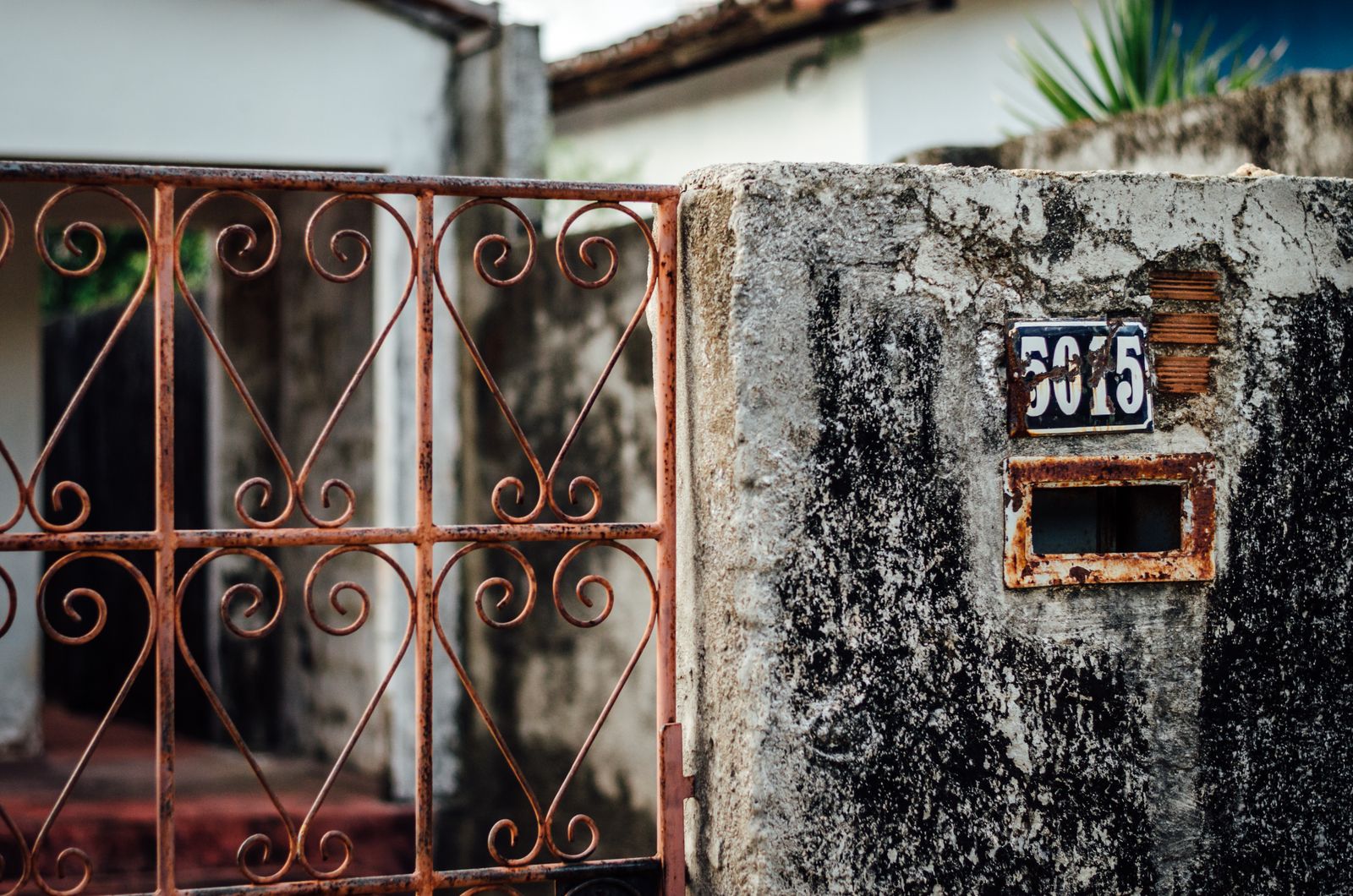
Inspect for coating damage, rust staining, loose brackets, cracked or failed welds, bent pickets, shifted posts, gate misalignment, and contact with soil or persistent moisture. Cleaning and touch-up should follow the manufacturer or coating-system instructions. Painting over corrosion without surface preparation can hide rather than resolve the condition.
Repair options vary. A mechanically assembled aluminum panel may allow component replacement, while welded steel may call for fabrication and refinishing. Matching an older profile or color can be difficult. Damage near a post, gate, weld, or several connected panels needs an on-site assessment. The fence repair page outlines the evidence to collect before choosing repair or replacement.
Cost and fabrication factors
Metal fence cost depends on measured length, height, base metal, product line or custom fabrication, component dimensions, coating system, posts, gates, corners, slope, columns, demolition, access, and approval requirements. Custom curves, decorative details, large gates, field welding, and coating repairs can change scope. An aluminum catalog panel, welded steel panel, and custom forged section are not interchangeable bids.
Use the fence cost guide to compare equal scopes. Do not accept a fixed per-foot number that omits gates, foundations, coating, removal, access, or transitions. Before choosing among base metals, verify the proposal’s actual alloy or steel product, coating, fabrication, connections, and repair method.
Questions for a metal-fence quote
- What is the base metal—not just the style name?
- Is this a factory system or custom-fabricated work?
- How are panels joined to posts and how are gates framed?
- What protects welds, cut edges, holes, and installation damage?
- Which coating and care documents apply to this exact product?
- How will the fence cross slopes and meet columns or existing work?
- Which repairs can be made with stocked components?
- Who is responsible for permits, HOA review, utility checks, and inspection?
Prepare now; routing is not active
Gather rough dimensions, photographs, desired openness, material preference, gate needs, slope conditions, and approval status. The estimate-request information page explains what may be needed if matching is enabled later. Routing is currently offline, so do not submit personal information.
Pearland Fence Pros publishes independent guidance. Any future independent provider would be responsible for material identification, design, fabrication claims, site inspection, pricing, permits, contracts, installation, repairs, and warranties.
Frequently asked questions
Is aluminum fencing the same as wrought iron?
No. Aluminum is a different metal. Many products copy the visual language of ironwork, but the proposal should identify whether the fence is aluminum, steel, traditional wrought iron, or another system.
Is aluminum fencing rust-proof?
Aluminum does not rust in the same way iron or steel does, but it can still experience corrosion, coating damage, staining, or connection problems. Avoid universal corrosion-proof claims and review the exact product documentation.
Is steel stronger than aluminum for every fence?
That comparison cannot be made from material name alone. Section size, alloy or grade, panel design, connections, posts, gates, fabrication, coating, and intended loads all matter.
Can an ornamental metal fence qualify as a pool barrier?
Possibly, but never by assumption. The exact panel openings, height, climbability, gate, latch, placement, property type, and current rules require verification before selection and inspection.
Can a rusted section be refinished instead of replaced?
Sometimes. The decision depends on metal loss, weld and connection condition, coating failure, access, matching material, and whether structural components are affected. An on-site assessment is needed.
Sources
- City of Pearland, Adopted Building Codes, reviewed 2026-07-21. Pearland lists the 2021 International Swimming Pool and Spa Code; property-specific barrier requirements still require verification.
- City of Pearland, Permits & Inspections, reviewed 2026-07-21. Verify current permit and inspection requirements for the exact project.