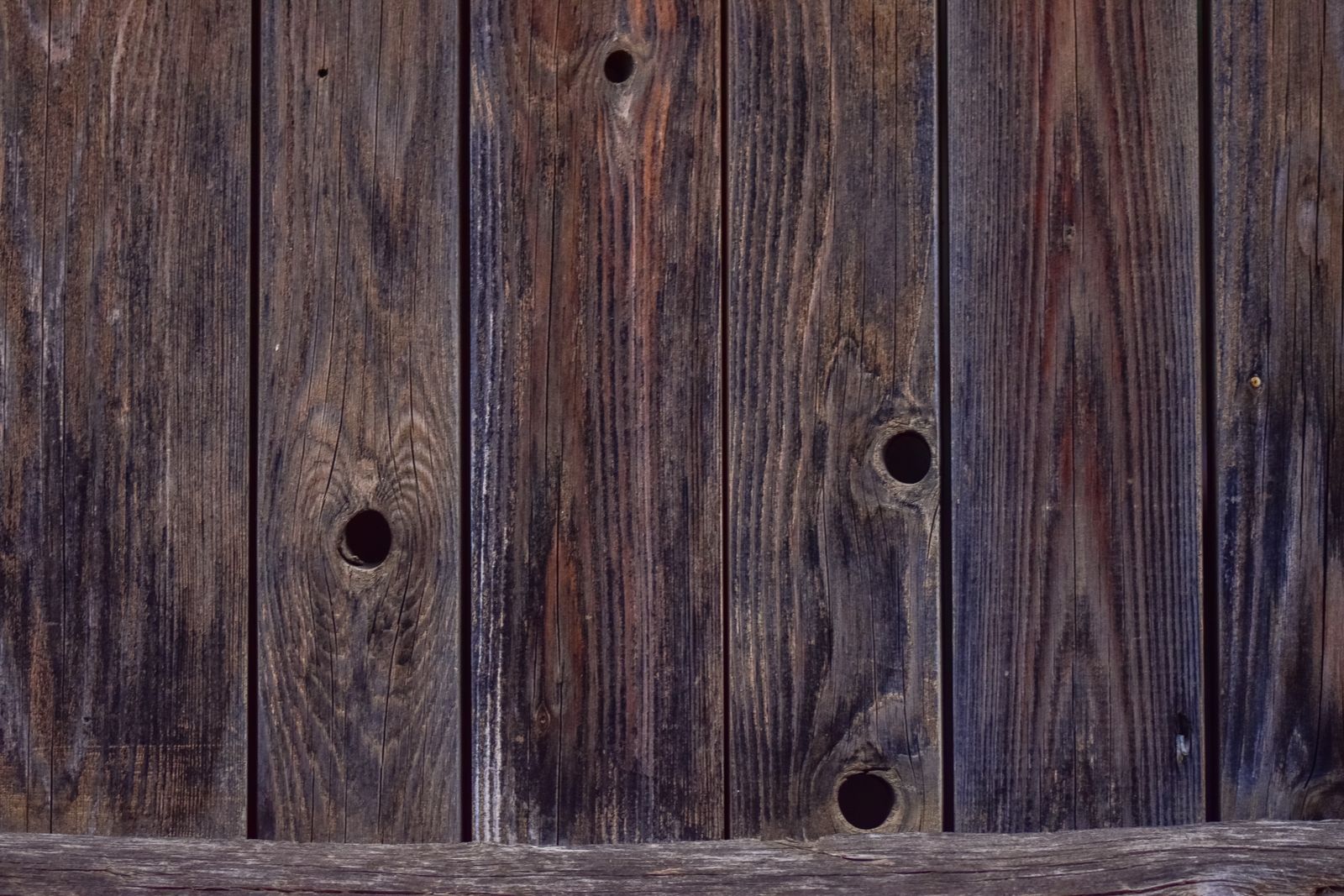
Quick answer: Cedar generally offers natural decay resistance and dimensional stability, while pressure-treated pine can lower upfront material cost. Grade, treatment designation and installation quality decide how either performs in Pearland humidity — we install both and will recommend the right one for your budget and exposure. Call (281) 768-5900 for a free estimate.
Quick comparison
| Factor | Cedar | Pressure-treated pine |
|---|---|---|
| Upfront cost | Higher | Lower |
| Natural decay resistance | Good | Treated to resist decay and insects |
| Dimensional stability | Generally stable, less movement | More prone to warping and checking |
| Appearance | Warm grain, stains well | Often green-tinted until weathered |
| Maintenance | Finish cycles, moisture checks | Finish cycles, moisture checks |
| Availability | Good, grade-dependent | Widely available |
Species, grades and treatment
The first thing to know: cedar and pine are categories, not single products, and grade matters as much as species. Cedar comes in graded boards — the higher the grade, the fewer knots and defects — and western red cedar is the common choice for fences. Pressure-treated pine is graded and carries a treatment designation that tells you how much preservative it absorbed and where it can be used, including ground contact. When we quote a wood fence, we specify the species, grade and treatment designation, because “cedar” and “pine” alone don’t tell you what you’re buying. See our wood fence options.
Warping, checking and movement
All wood moves with moisture, but cedar is generally more dimensionally stable than pine, which means less warping, twisting and cupping over time. Pine boards are more likely to cup, bow or check — small surface cracks that open as wood dries. Installation matters here: proper spacing, rail count and fastening limit movement in either species. In Pearland’s humidity swings, we plan for movement rather than promising wood that never moves.
Rot and insects
Cedar has natural extractives that give it decay resistance, which is why it’s a traditional choice for outdoor wood. Pressure-treated pine gets its protection from a preservative treatment, and the treatment designation must match the exposure — ground contact posts need a higher treatment level than above-ground pickets. Neither is rot-proof and no wood is termite-proof. Drainage around post bases, clearance above soil and routine moisture checks do the real work in Texas. Cut ends, drilled holes and notches on treated wood should be treated on site to restore protection.
Call (281) 768-5900 for a free estimate, or request one online.
Staining and maintenance
Both species need finish and moisture management in Pearland, though cedar takes stain beautifully and can be left to weather naturally if you prefer the silver-gray look. Treated pine is often stained to unify its color and protect the surface. Either way, the routine is the same: stain or seal on the right schedule, check post bases and drainage, keep sprinkler spray and vegetation off the wood, and fix small problems early. See the full wood fence maintenance guide.
Fasteners and compatibility
Fastener choice follows the wood. Cedar contains natural acids that can react with some metals, so corrosion-resistant fasteners — stainless or hot-dipped galvanized — are the safe call. Treated pine’s preservatives can also be corrosive to standard hardware, and modern treatment formulas demand compatible fasteners and brackets. We specify fasteners by species and treatment so the fence doesn’t fail at the connection points.
Cost and availability
Cedar usually costs more per board than pressure-treated pine, and cedar grades and supply can vary, which occasionally affects availability. Pine is widely available and typically the budget-friendly starting point. The real cost comparison includes the full scope — length, height, board pattern, posts, gates, finish and site conditions — which is why we measure and price rather than quote a per-board number. Review the cost factors for what moves the price.
Questions for an installer
- What species, grade and treatment designation are you quoting?
- Are the fasteners compatible with the wood you’re using?
- How is drainage handled around post bases on this property?
- What finish schedule do you recommend for this species?
- Can I see both materials priced on the same scope?
We’ll answer every one on your free estimate — bring your questions and we’ll walk the property together.
Frequently asked questions
Is cedar or pressure-treated pine better for a fence?
Cedar generally offers natural decay resistance and dimensional stability; pressure-treated pine usually lowers upfront material cost. Grade, treatment designation and installation quality matter more than the species name alone.
Is cedar worth the extra cost over pine?
Cedar usually costs more upfront but can mean less warping and checking and natural decay resistance. Treated pine is typically cheaper but needs careful grade selection. We’ll show you both with current pricing on your free estimate.
Does pressure-treated pine rot?
Pressure-treated pine is treated to resist decay and insects, but the treatment designation must match the exposure, and cut ends, drilled holes and ground contact still need care. No wood is rot-proof — drainage and maintenance decide how long it lasts.
Is cedar termite-proof?
No. Cedar has natural characteristics that some insects find less attractive, but no wood is termite-proof. Treatment, ground clearance and moisture management are the practical protections.
How do I maintain a cedar or pine fence in Pearland?
Both benefit from a stain or seal cycle, moisture checks and keeping vegetation and sprinkler spray off the wood. See our wood fence maintenance guide for the full routine.
Ready to start?
Call (281) 768-5900 for your free Pearland estimate, or request one online at /get-estimate/. We’ll compare cedar and treated pine on your actual property and show you the price difference in writing.